Whole Child, Whole School, Whole Community
Working together in a child centred approach.
A child centred approach is fundamental to safeguarding and promoting the welfare of every child. A child centred approach means keeping the child in focus when making decisions about their lives and working in partnership with them and their families.
Children with Special Educational Needs and Disabilities (SEND) have a learning difficulty or a disability that makes it harder for them to learn than most children of the same age. These children may need extra or different help than that offered to others within their class, more likely to be supported by an intervention programme. Early identification of a special need is vital in ensuring the child gets the right type of support at the right time. Here at Twin Sails and Hamworthy Park we aim to do just that and have a number of intervention strategies to help us as well as a team of committed and highly trained staff delivering additional support.
The Schools work with a variety of outside agencies in supporting children and families.
Whole Child, Whole School, Whole Community
Working together in a child centred approach
A child centred approach is fundamental to safeguarding and promoting the welfare of every child. A child centred approach means keeping the child in focus when making decisions about their lives and working in partnership with them and their families.
Children with Special Educational Needs and Disabilities (SEND) have a learning difficulty or a disability that makes it harder for them to learn than most children of the same age. These children may need extra or different help than that offered to others within their class, more likely to be supported by an intervention programme . Early identification of a special need is vital in ensuring the child gets the right type of support at the right time. Here at Twin Sails and Hamworthy Park we aim to do just that and have a number of intervention strategies to help us as well as a team of committed and highly trained staff delivering additional support.
The Schools work with a variety of outside agencies in supporting children and families.
A child has SEN if they have a learning difficulty or disability which calls for special educational provision to be made for them.
A child of compulsory school age or young person has a learning difficulty or disability if they:
- have a significantly greater difficulty in learning than the majority of others of the same age, or
- have a disability which prevents or hinders them from making use of educational facilities of a kind generally provided for others of the same age in mainstream schools or mainstream post-16 institutions.
Cognition & Learning - Children who have difficulties in this area may need support with:
- Processing & Memory
- Organisation & Completion
- Concentration & Awareness
- Transferring & Generalisation
- Reflection & Self-Assessment
- Recognition & Recording
Communication & Language - Children with challenges in this area may need help with;
- Pragmatic Skills
- Receptive Language
- Expressive Language
- Listening & Attention
- Peer & Adult Interactions
Sensory & Physical - Children may need support with;
- Fine Motor Skills
- Gross Motor Skills
- Hearing Impairments
- Visual Impairments
- Sensory Processing
Social Emotional & Mental Health - Children can experiencing difficulties might need help with;
- Self-Monitoring & Regulation
- Self-Esteem & Self-Worth
- Relationships & Attachment
- Anxiety
- Resilience
- Self-confidence & Awareness
- Lived Experience & Trauma
If you are worried about your child please do not hesitate to get in touch with your class teacher or our Inclusion Team via the main school office.
Alternatively, please look at the SEND & Family Support section of our website which has some helpful links for you to explore
We are an inclusive school who work hard to remove barriers to learning that may disadvantage individuals or groups if children.
We aim to ensure all children attend school whenever possible in order to promote a love of learning to maximise life chances of every child.
If your child has a significant medical need, then the parent or carer and school will be required to complete an Individual Health Care plan to ensure your child's safety is paramount.
These plans are updated as and when changes happen and reviewed annually with the class teacher and our team trained in providing first aid.
If you child is ill, or has a medical condition, requiring them to take medicine you will be required to complete a consent form to ensure staff have permission to administer the medication
It is important parents keep the school updated with medical needs who can be reached as follows:.
Individual Health Care Plan
Medicine in School - Consent Form
Confidential Medical Advice

NHS Parent line: 0731 2263131
This is a locally manned telephone service, offering support in all areas of children's health from physical health, such as toileting, sleeping, eating concerns to emotional well-being and behaviour.
What Is a Trauma-Informed School?
A trauma informed school is one that is able to support children who suffer with trauma or mental health problems and whose troubled behaviour acts as a barrier to learning.
Traumatic stress can arise from a variety of sources: bullying at school, dramatic weather events, the day-to-day exposure to events such as divorce or homelessness. Children and adults can be affected by traumatic stress.
In a trauma-informed school, the adults in the school community are prepared to recognise and respond to those who have been impacted by traumatic stress.
Situations that can be traumatic:
- Physical or sexual abuse
- Abandonment
- Neglect
- The death or loss of a loved one
- Life-threatening violence in a caregiver
- Witnessing domestic violence
- Automobile accidents or other serious accidents
- Bullying
- Life-threatening health situations and/or painful medical procedures
- Witnessing or experiencing community violence (e.g: robbery, or fighting at home, in the neighbourhood, or at school)
- Witnessing police activity or having a close relative incarcerated
- Life-threatening natural disasters
- Acts or threats of terrorism (viewed in person or on television)
- Living in chronically chaotic environments in which housing and financial resources are not consistently available
Trauma Informed Approach:
A child's story
Giving young people a voice
Feeling and being connected
Everyone feels safe

Strategies/Interventions that are and can be used:
- EAA (Emotionally Available Adult)
- Listening to a child's story
- Exploring through use of sand play
- Exploring through use of Big Empathy Drawing
- PACE (Playfulness/Acceptance/Curious/Empathy)
- use of puppets
- access to sensory resources
- emotion coaching
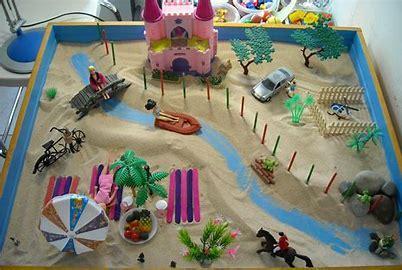

Trauma Informed Practitioners across our Federation

Mrs Helen Henstridge
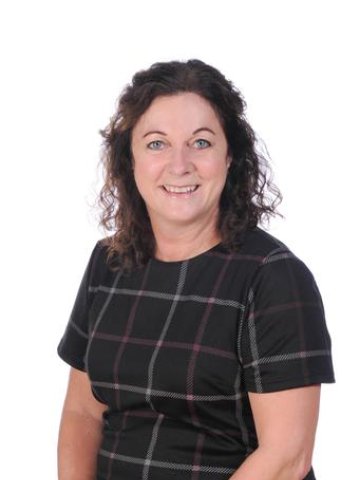
Mrs Anita Brown

Below are links to a variety of avenues of support available for children and families
Our Teachers, SENDCo and Inclusion Team are here to help you access this support, please feel free to get in touch.

Support Group for Parents of Children with SEND, ASD & ADHD
Supporting Neurodivergent Children to play safely online
How to manage sleep problems effectively in people with neurodevelopment conditions
-
Support with sleep problemsFREE Webinar


